
The Benefits of Upgrading an Intercooler on a Diesel Engine
If you own a turbo diesel, the intercooler is one of the most overlooked parts of the whole setup.
People often focus on boost pressure, turbo size, injectors or tuning, but the intercooler has a massive effect on how well the engine actually uses the air the turbo is supplying. A better intercooler can improve consistency, reduce intake temperatures, increase air density, and give the engine a better environment to make safe and repeatable power.
What does an intercooler do?
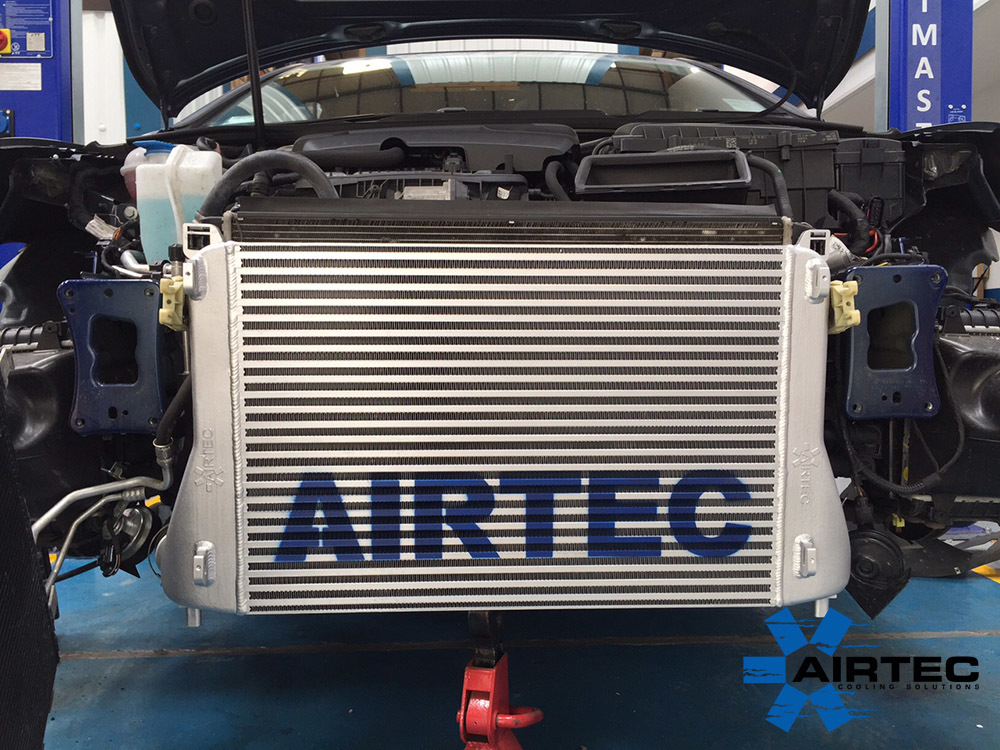
An intercooler is a heat exchanger fitted between the turbocharger and the engine intake manifold. Its job is to cool the compressed air coming out of the turbo before that air enters the engine.
When a turbo compresses air, the air heats up. Hotter air is less dense than cooler air, so even if the boost pressure looks good, the actual oxygen content per given volume can be lower than you might expect.
The intercooler takes some of that heat back out of the charge air. That means the engine gets air that is cooler, denser and contains more oxygen for the same volume. On a diesel, that is especially useful because diesel power is heavily linked to how much air and oxygen is available for combustion.
What would happen if the vehicle did not have an intercooler?
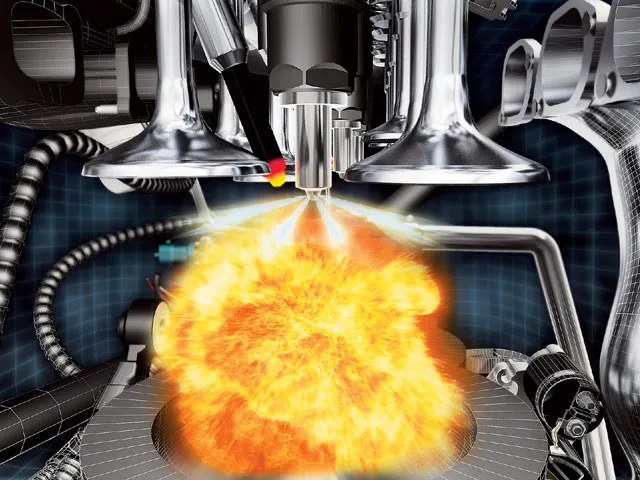
Without an intercooler, the turbo would still make boost, but the compressed air would enter the engine much hotter. Hotter air is less dense, which means less oxygen is packed into the cylinders for the same pressure reading. That reduces the efficiency of combustion and limits how much fuel can be added safely.
In the real world, a turbo diesel without an effective intercooler is more likely to suffer from:
- higher intake temperatures
- lower air density
- reduced combustion efficiency
- higher exhaust gas temperatures
- less consistent performance after repeated hard use
- less headroom for tuning or added fuelling
Even if the vehicle still runs, it will usually be running with less margin and less efficiency than it could with properly cooled charge air. On tuned diesels, the difference becomes even more noticeable because once fuelling and boost are increased, charge temperatures become far more important.
What sort of improvements can you expect?
An upgraded intercooler does not magically transform every diesel overnight, but it can bring several real benefits.
1. Lower intake air temperatures
This is the main one. A larger or better-designed intercooler removes more heat from the compressed air. That means lower intake temperatures, especially under sustained load, repeated pulls, towing, or hard driving.
2. Better performance consistency
A standard intercooler may cope reasonably well for one pull, but after repeated acceleration or prolonged load it can become heat soaked. Once that happens, intake temperatures climb and performance becomes less consistent. A better intercooler helps the engine hold onto its performance for longer.
3. Increased air density
This is where the real gain comes from. Cooler air is denser air. Denser air means more oxygen molecules entering the cylinders. More oxygen gives the diesel engine more scope to burn fuel efficiently and cleanly.
4. More tuning headroom
On a tuned diesel, an intercooler upgrade often supports the rest of the package rather than acting as a standalone power modification. It helps control charge temperatures so the engine can make power more safely and more repeatedly. That is especially important when boost and fuelling have been increased.
5. Potentially lower EGTs and reduced stress
If the engine is getting cooler, denser air, combustion can be more efficient. That can help reduce exhaust gas temperatures compared with trying to make the same result with hotter, thinner air. Lower heat stress is generally a good thing for a worked turbo diesel.
6. Possible fuel economy benefits in some conditions
Not every vehicle will show a dramatic MPG gain, but denser air can improve combustion efficiency. In some real-world conditions, especially when the engine is under load, towing, or working hard, that can help the vehicle do the same job with less effort.
What happens to the air density?
Air density increases when charge air temperature drops.
That is the key point.
When air is cooler, the molecules are packed more closely together. So for the same volume of air entering the engine, there is more mass of air and more oxygen available. That is why air density is often a more meaningful measure than boost pressure on its own.
Two engines can show similar boost numbers, but the one with cooler charge temperatures may actually be getting more usable oxygen into the cylinders. This is also why simply turning the boost up is not always the answer. Pressure alone does not tell the whole story. Pressure plus temperature tells you much more about the quality of the air charge the engine is receiving.
How does the engine know?
The engine ECU does not know in a human sense that you fitted a bigger intercooler. What it sees is the result.
Depending on the vehicle, the ECU may monitor airflow directly with a MAF sensor, or it may calculate load and air mass using sensors such as manifold pressure, barometric pressure and intake air temperature. In other words, the ECU responds to the measured air conditions, not to the fact that the intercooler itself has changed.
After an intercooler upgrade, the ECU may see:
- lower intake air temperatures
- increased measured airflow or air mass
- different manifold pressure and temperature relationships
- reduced tendency for temperatures to climb under load
On some vehicles, the standard ECU strategy can take advantage of that by maintaining performance more consistently. On others, the full benefit is seen when the calibration is adjusted properly to suit the improved airflow conditions. The sensors report the better air charge, and a suitable calibration can then make better use of it.
Is an intercooler upgrade worth it on a diesel?
In many cases, yes.
If the vehicle is tuned, used for towing, driven hard, or suffers with rising intake temperatures, an intercooler upgrade can be a very sensible modification. It is not just about chasing peak power. It is also about improving repeatability, efficiency and thermal control.
A good intercooler upgrade helps the engine breathe better quality air. On a diesel engine, better air quality usually means a better result.
In simple terms
- A turbo heats the air.
- An intercooler cools it back down.
- Cooler air is denser.
- Denser air contains more oxygen.
- More oxygen allows better combustion.
- Better combustion supports safer, stronger and more consistent diesel performance.
Diesel intercooler upgrades in Wales
At Llandow Tuning, intercooler upgrades are considered as part of the full tuning package. The right answer depends on the vehicle, its current hardware, the way it is used, and the calibration it is running.
If you are planning diesel tuning, towing regularly, seeing high intake temperatures, or looking for more consistent performance, an intercooler upgrade may be one of the most sensible supporting modifications.